What Home Addition Design Ideas Actually Work Best for Illawarra Homes?

The best home addition design ideas for Illawarra homes are usually the ones that improve flow, light, and everyday living without fighting the house, the block, or the roofline you already have. In practical terms, the smartest first move is to test whether you should extend straight back, wrap around a corner, build up, or rethink the layout before you lock into a concept, because those early design calls shape everything that follows.
 
Most homeowners begin with inspiration when they should begin with diagnosis. They save extension photos, imagine a bigger kitchen or living room, and assume that more floor area will fix the problem. Sometimes it does. Often it does not. In many Illawarra homes, the real issue is not lack of space by itself. It is a combination of poor flow, dark internal zones, weak connection to the backyard, and an existing structure that pushes the design in one direction more than another.
 
We specialise in home additions in Illawarra, and that matters because good addition design is rarely about chasing the biggest result. It is about knowing which design move will make the house work better without creating a new set of problems somewhere else.

What types of home addition ideas tend to work best for Illawarra homes?

The best ideas tend to be the ones that solve multiple problems at once. A rear extension works well when the goal is to pull kitchen, dining, and family living into one clearer zone and create a stronger transition to the outdoors. A side-and-rear wrap can make more sense when a straight extension would create a long tunnel of space or leave the old part of the home dark. A second-storey addition can work when land is tight and the family needs separation rather than just a bigger ground floor. In some homes, the smartest design idea is not a major extension at all, but a smaller addition paired with better internal planning.
 
That is why design ideas need to be tested against the existing house, not just against lifestyle aspirations. A weatherboard home in West Wollongong, a brick house in Windang, and a tighter suburban lot in Shellharbour can all need different responses even if the owners describe the same problem. The right idea is the one that respects the shape of the house, the site limitations, and how the household wants to live after the build is done.
 
The best addition ideas do not just add area. They improve how the whole house works.

WANT AN INSTANT ONLINE ESTIMATE?

How do you know whether to push straight back, wrap around a corner, or redesign the layout first?

This is one of the most important design choices in the whole project, and it is where many average additions separate from good ones. Pushing straight back can be effective when the existing house already has a decent spine and simply needs a larger, more open living zone at the rear. Wrapping around a corner often makes more sense when the site allows it and the aim is to bring in more light, create better sightlines, or avoid a narrow, over-elongated extension that feels disconnected from the original house.
 
A layout-first rethink becomes the better option when the home already has enough area on paper, but the circulation is poor. If rooms are boxed off, hallways waste too much space, or the kitchen sits in the wrong place, adding more floor area without correcting the internal logic can leave the house bigger but still awkward.
Design direction
Usually works best when
Main upside
Main risk
Straight rear extension
The existing layout already points naturally to the backyard
Clear expansion of living areas and simpler sequencing
Can create a long, dark plan if light and flow are ignored
Corner or side-and-rear extension
The block and layout need better light, width, or connection
Can improve sightlines, courtyard feel, and internal balance
More complex planning and footprint control
Layout rework first
The main problem is circulation, not room count
Better function without overscoping the addition
Harder to appreciate early if you are focused only on size
Ceiling height often changes how an addition feels more than floor area does. A rear extension with the right proportions and light can feel dramatically better without becoming dramatically bigger.

What design mistakes cause home addition ideas to fail in real life?
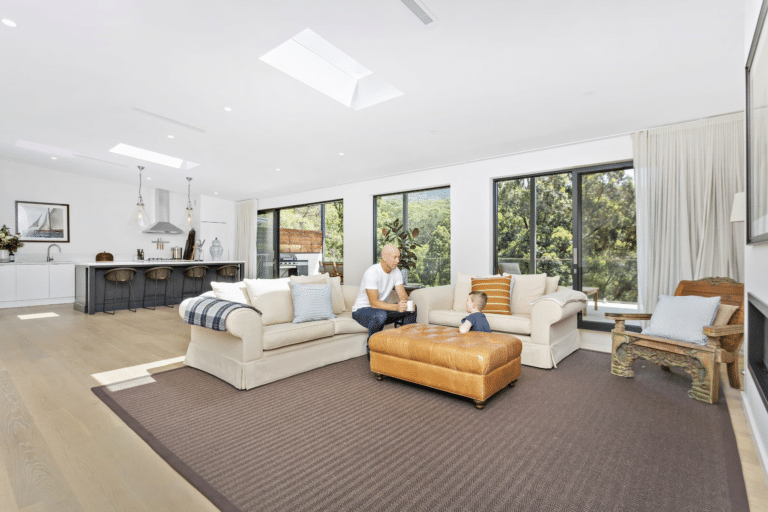
The most common mistake is falling in love with an image instead of testing whether the idea suits the existing house. A lot of addition concepts look strong in isolation and then fall apart once rooflines, orientation, setbacks, internal flow, and the remaining outdoor space are taken seriously. Good design is not just about the new room. It is about what the new room does to the whole house.
 
Another mistake is assuming any increase in space is an improvement. If the addition leaves the old dining zone dark, the hallway clumsy, or the living area disconnected from the backyard, it may still underperform even after a major spend. A well-designed addition should make the entire home read more clearly, not just the new part.

What are the 3 design mistakes that kill home addition projects in Illawarra?

1. Ignoring the roofline tie-in

The roof junction is where many “simple additions” become much more involved. If the existing roof pitch does not allow a clean join, you can end up rebuilding more roof structure than expected. On many Illawarra homes, the current roofline dictates whether the addition should remain single-storey, adopt a skillion form, or use a gable solution that better resolves the transition.
 

2. Adding space without fixing flow

A bigger kitchen does not help much if the hallway is still a bottleneck, the dining zone still lacks light, or the connection between old and new remains clumsy. The strongest additions improve movement through the house, not just room count. That is often the difference between a house that feels transformed and one that simply feels extended.
 

3. Forgetting the outdoor space you are left with

A ground-floor addition that consumes most of the backyard can create a bigger house but a worse lifestyle. This matters in Illawarra, where outdoor living, decks, yards, and breezeways are part of how many homes actually function. The indoor gain only works if the outdoor result still feels usable.

When does a second-storey addition actually make sense in Illawarra?

A second-storey addition usually makes sense when the block is tight, the existing backyard already works well, and the real need is for extra bedrooms, a retreat, or clearer separation between zones in the house. It can be a strong move when the owners want to preserve ground-level outdoor space, and there is enough value in the property to justify the structural complexity.
 
What makes it work is not just the desire for more area. The existing structure has to be capable of taking additional load or capable of being upgraded in a sensible way. The finished design also needs to create genuine separation, not just stack more rooms on top of an already confused layout. In some homes, that means an upstairs kids’ zone. On others, it means pulling the parents’ retreat away from the busiest part of the house.
 
What tends to kill a second-storey idea is underestimating how much of the existing house may need to change. Many older Illawarra homes, especially lighter-framed or weatherboard homes, need substantial strengthening before upper-level work even starts. There is also the visual and planning side to consider. A second level can affect streetscape, neighbours, and design review more than homeowners expect.
 
If you need a quick reality check, second-storey additions in Illawarra are rarely the budget-friendly path. Once structural upgrades, stairs, roof reconstruction, and disruption are factored in, many projects sit well above the point where a ground-floor redesign or extension may offer better value.

How early should you test feasibility before choosing a design direction?
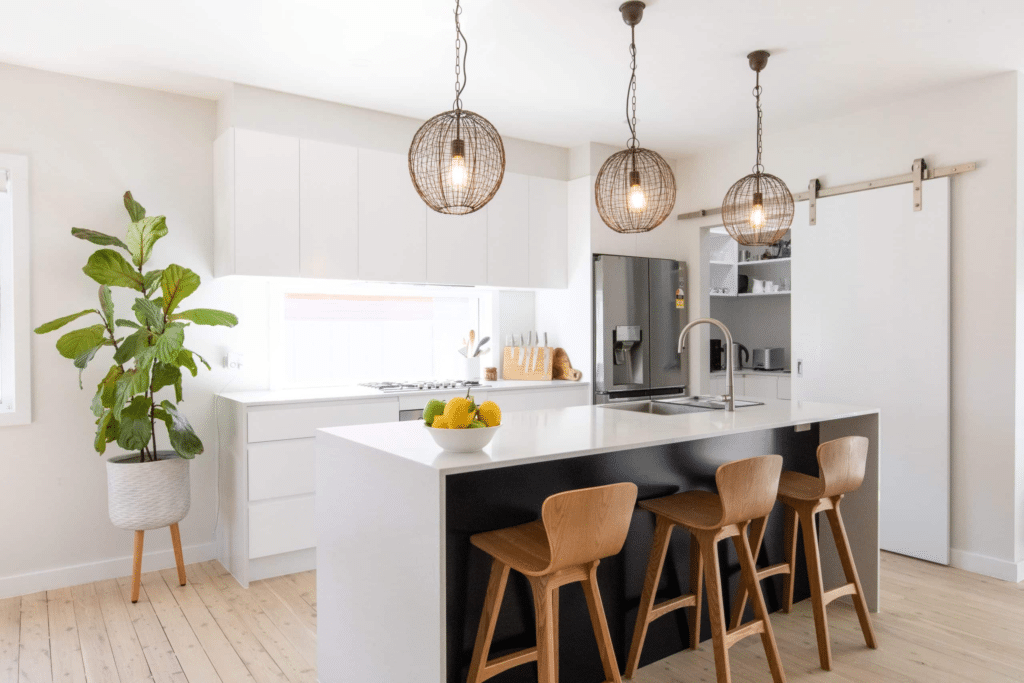
Earlier than most homeowners think. Feasibility should happen before the design idea becomes emotionally fixed. That means testing planning controls, the likely approval pathway, setbacks, site slope, stormwater implications, roofline constraints, and whether the existing structure will support the proposed direction. If this work happens too late, every practical constraint feels like bad news rather than normal design filtering.
 
In Illawarra, that matters because small site details change outcomes quickly. Coastal exposure, sloping blocks, older framing methods, and awkward backyard shapes can all shift what is sensible. Some ideas that sound straightforward in conversation become difficult once drainage, access, or roof tie-ins are properly assessed. That is why feasibility is part of design quality, not just a compliance chore.
 
Wollongong’s planning and certification pathway also reinforces this. Many additions involve not just planning approval but also further certification and inspections as the project progresses, which is why the right concept should be tested early. The clearest local authority reference for that process is the City of Wollongong building and renovating guidance.

Which design details make an addition feel intentional instead of bolted on?

This is where a lot of projects either come together or feel unresolved. The answer is not always to match the original home exactly. In many cases, a clean contrast works better than a forced replica, provided the old and new parts still speak to each other. Flooring continuity, ceiling alignment, glazing rhythm, joinery proportions, and how light moves through the plan often matter more than trying to perfectly mimic every existing material.
 
Ceiling height is especially powerful in rear additions. Lifting the ceiling in the new zone can create volume, bring in more light, and make the old part of the home feel more connected when the transition is handled properly. Likewise, corner glazing, stacker doors, and better sightlines can make a moderate extension feel far more generous than a larger but poorly resolved one.

What does a design-focused Illawarra case study look like when the layout is fixed properly?

A stronger design-specific example is a Windang rear extension, where the issue was not room count so much as poor internal connection. The original home followed a familiar pattern seen in many older brick homes: separate kitchen, dining, and lounge zones that technically provided enough rooms but did not relate well to one another or to the backyard. The kitchen faced the wrong way, the living space felt isolated, and the outdoor area was underused because there was no convincing transition from inside to out.
 
The design solution was not simply to add a bigger box on the back. It extended the home by approximately six metres to the rear, creating an open-plan kitchen, dining, and living zone, while removing internal barriers that had blocked sightlines and natural light. The hallway logic was tightened, the original bedroom arrangement was kept intact, and the new living space opened directly onto a rebuilt deck via wide glazing, so the outdoor area became part of daily use rather than a leftover space.
 
Materially, the project used white-washed timber flooring to unify the old and new areas, updated cabinetry in a lighter coastal palette, larger glazing to draw light deeper into the original part of the house, and a lifted ceiling in the new zone to create volume without making the addition feel overworked. The end result was not just more space. It was a home that finally flowed. That is the difference between an extension that adds floor area and one that genuinely improves the way the house lives.
 
Once your design direction is clear, understanding the broader planning, costs, and timelines becomes the next priority. Visit our homepagehome additions service page, main home additions and extensions guide for Illawarraplanning home additions guide, and small house extension ideas article, which can give you a fuller picture of how these projects come to life.

Frequently Asked Questions

It depends on the house. A clean contrast often works better than a forced copy, but the materials still need to relate to each other. Continuity in flooring, ceiling lines, window proportions, and overall rhythm usually matters more than perfectly matching every original detail.

Usually it is creating a bigger room that still feels disconnected from the rest of the house. The best rear extensions improve circulation and bring more light into the original plan, rather than just pushing the living area further into the backyard.

You need a structural assessment early. Many older Illawarra homes, especially weatherboard, fibro, or lighter-framed homes, were not designed for upper-level loads, so strengthening work can be substantial before the real addition even begins.

Yes, and it can actually help clarify what you want. But sketches are most useful as a starting point, not as proof that the idea will work, because structure, setbacks, rooflines, and circulation usually change the design once it is tested properly.

They often forget to test the outdoor result. A bigger house can still be a worse home if the backyard becomes awkward, the deck loses usefulness, or the new plan weakens the indoor-outdoor relationship that made the property appealing in the first place.


If you want to pressure-test your ideas before they become expensive assumptions, the smartest next step is to book a consultation with us at Adlington Homes and get practical advice on which design direction actually suits your house, block, and lifestyle.

Conclusion

Good home addition design comes down to making the house work better as a whole—not just making it bigger. The strongest outcomes come from testing your options early, understanding what your existing home can realistically support, and choosing a direction that improves flow, light, and how you actually live day to day.
 
Whether it’s a rear extension, a wraparound design, or a second-storey addition, the goal is the same: create a layout that feels intentional, connected, and easy to live in. That means fixing underlying issues like poor circulation or weak indoor-outdoor connection before adding more space on top of them.
 
If you get the design direction right from the start, everything that follows—planning, cost, and construction—becomes more predictable and far less stressful. If you skip that step, even a large addition can still feel like a missed opportunity.
 
If you’re at the stage where ideas are starting to take shape, it’s worth pressure-testing them with a builder who understands how these projects play out in real homes. A quick consultation with Adlington Homes can help you narrow down the right approach before you commit to a design that’s harder—and more expensive—to change later.

Leave a Reply

Your email address will not be published. Required fields are marked *