
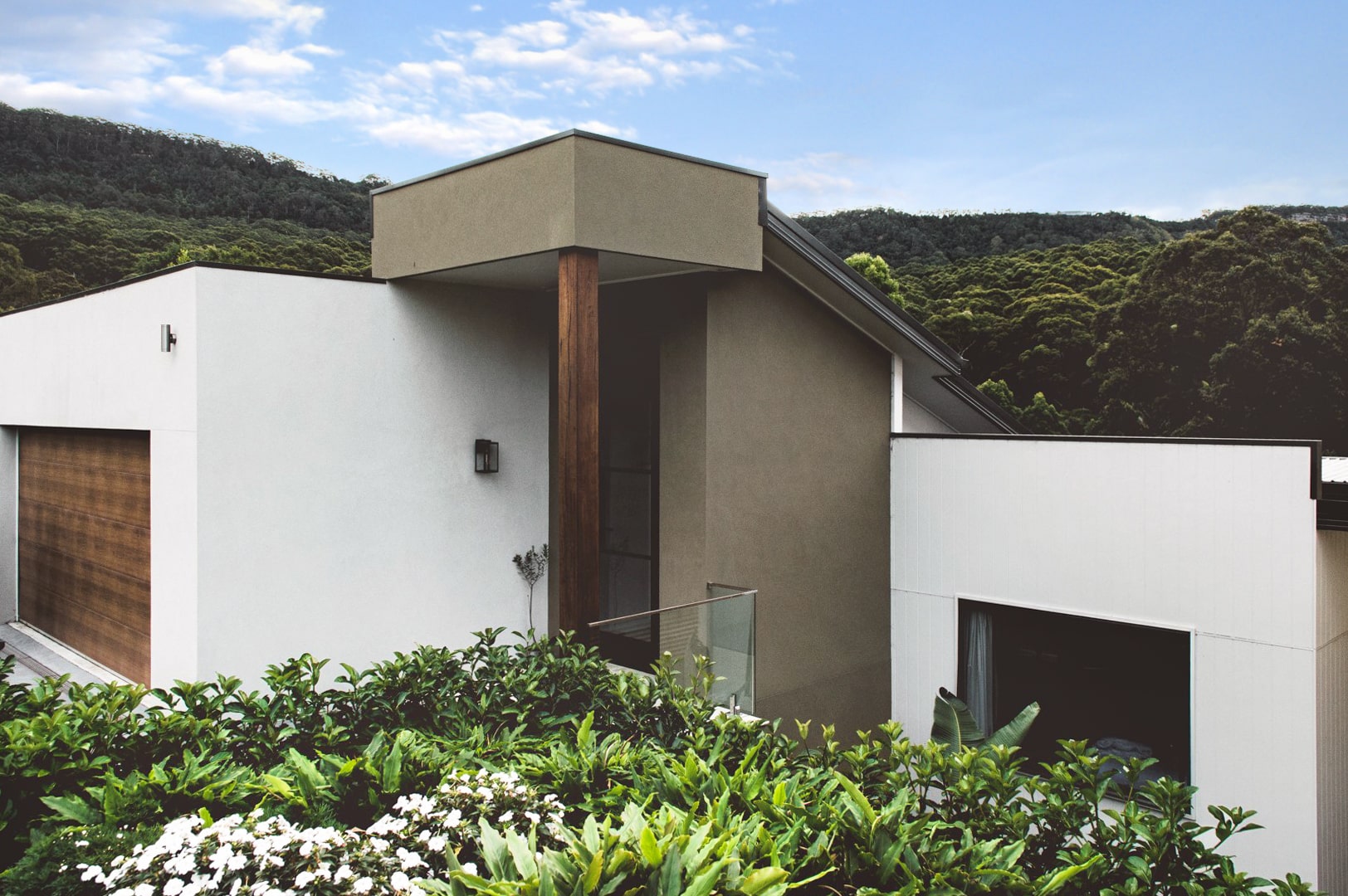
Why do homeowners plan a home addition instead of moving?
- they need more room for a growing family
- the kitchen, dining or living area feels too small
- the layout does not support modern day-to-day living
- they need a home office or flexible extra space
- they want to improve flow between indoor and outdoor areas
WANT AN INSTANT ONLINE ESTIMATE?
Is a home addition the right option for your home?
Option | Best suited to |
Internal renovation | Homes that need better flow or functionality without major extra floor area |
Home addition | Homes that need more space and have a site and structure that can support expansion |
Knockdown rebuild | Homes where layout, structure or site constraints make extending less efficient |
What should you plan before starting a home addition?
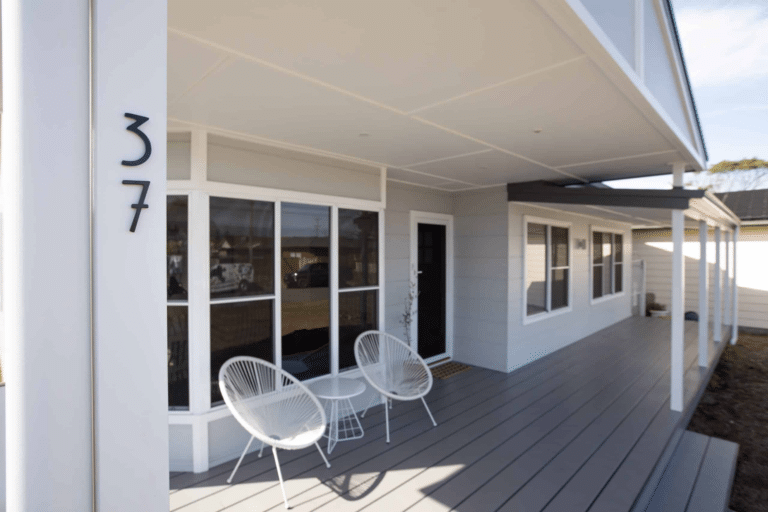
What local Illawarra factors affect planning?
Should you build up or build out?
Approach | Often suits |
Build out | Homes with enough land area and a need for larger living zones or stronger indoor-outdoor flow |
Build up | Homes where land is limited or preserving yard space is a priority |
What does the planning process usually look like?
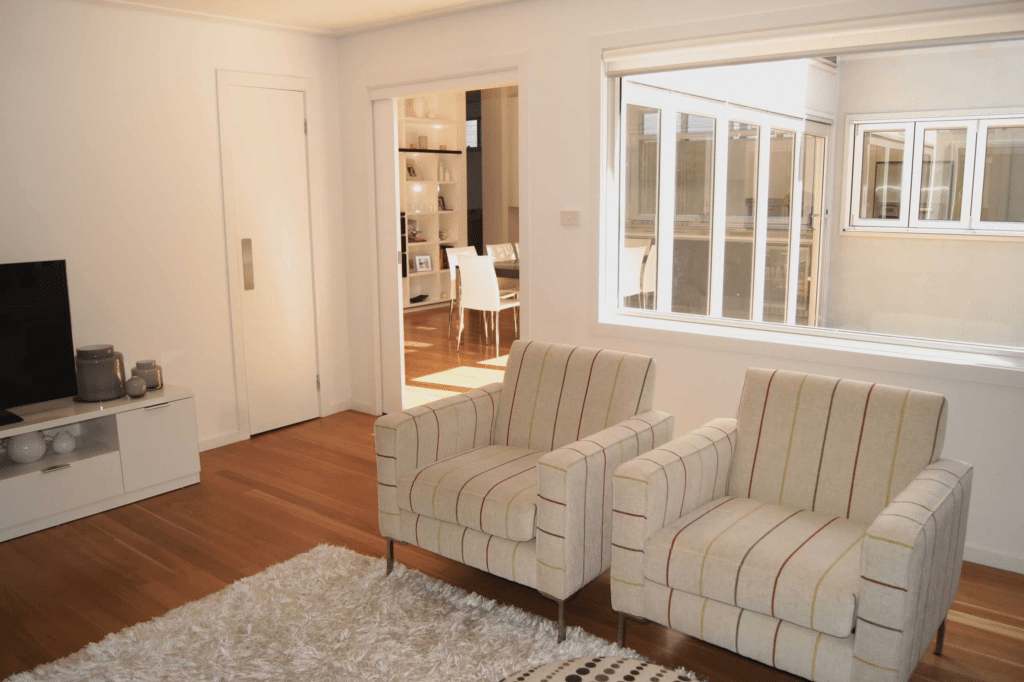
What mistakes should homeowners avoid when planning a home addition?
Why is a feasibility study often the best first step after the site meeting?
- what may be possible on the site
- what type of addition is likely to suit the home
- what constraints may affect the project
- whether the scope aligns with the intended budget
- what the most sensible next step should be
FAQs on Planning Home Additions
You start by defining what you need the addition to achieve, then assessing the site, likely project scope, budget range and approval considerations before moving deeper into design.
Many home additions will require an approval pathway, although the exact requirements depend on the project and the site. That is why approvals should be considered early in the planning process.
That depends on your land, your existing home, the kind of space you need and the site constraints involved. Both can work well, but they suit different situations.
Sometimes yes, sometimes no. It depends on the scale of the works, the location of the addition and how construction affects the rest of the home.
Because the site meeting helps us understand the block and your goals first, while the feasibility study is the paid deep-dive that tests practicality, budget fit and next steps before major design costs are committed.
3 Responses